Why Spring Roof Inspections Matter for Atlanta Commercial Buildings
As Atlanta moves out of winter and into warmer weather, spring is one of the smartest times to take a closer look at your commercial roof. Even though winters here aren’t extreme, the combination of temperature swings, storms, and debris can still cause wear that isn’t always obvious right away.
For building owners and property managers, a spring commercial roof inspection is less about reacting to problems and more about staying ahead of them. Catching small issues early can prevent leaks, unexpected repairs, and bigger expenses later in the year.
Here’s what makes spring such an important time to check your roof.
Winter Can Cause Damage You Don’t See Right Away
Atlanta winters may be mild compared to other parts of the country, but roofs still go through a lot. Warm days followed by freezing nights cause roofing materials to expand and contract. Over time, that movement can weaken seams, loosen flashing, and create vulnerable spots.
Some of the most common issues found after winter include:
- Minor membrane cracks or shrinkage
- Loose or lifted flashing around edges and penetrations
- Small punctures from storm debris
- Worn or failing sealant around rooftop equipment
None of these sound major at first, but small roofing problems rarely stay small. A simple issue can turn into an active leak faster than most people expect. A spring inspection helps catch these problems while they’re still manageable.
Spring Is Also a Good Time to Check Drainage
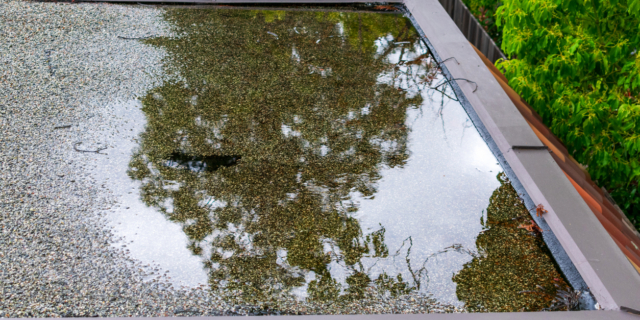
Drainage is one of the most overlooked parts of a commercial roofing system. After months of wind and storms, it’s common for drains and scuppers to collect leaves, dirt, and other debris.
When water can’t drain properly, it starts to sit on the roof. Standing water adds weight, speeds up material deterioration, and increases the risk of leaks.
During an inspection, a roofing contractor will usually check things like:
- Roof drains and scuppers
- Gutters and downspouts
- Areas where water tends to collect
- Drain baskets and debris buildup
Making sure everything is flowing properly before Atlanta’s rain season can prevent a lot of headaches later.
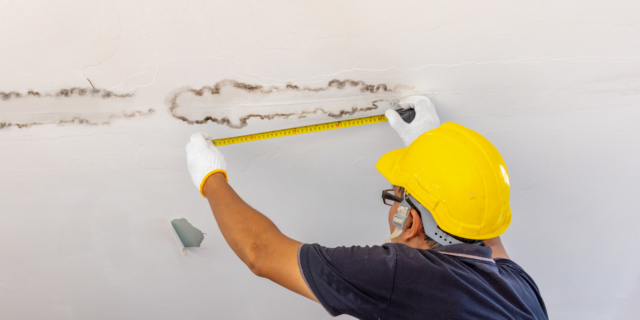
Preventative Maintenance Is Always Cheaper Than Emergency Repairs
One of the biggest benefits of routine inspections is simply having time to plan.
Emergency repairs almost always cost more. They usually involve rush scheduling, temporary fixes, and sometimes interior repairs if water has already entered the building.
Spring inspections give property managers the opportunity to:
- Fix minor issues before they turn into leaks
- Plan repairs before storm season ramps up
- Get more life out of the existing roof
- Avoid surprise disruptions to tenants or operations
In many cases, a relatively small repair done early can prevent a much larger, more expensive repair later.
Inspections Also Help With Budget Planning
A commercial roof is a major asset, and like any large asset, it needs documentation and planning. We have a blog post on budgeting here, as well!
A professional Atlanta commercial roof inspection typically includes: photos, notes about wear and tear, and recommendations for maintenance or repairs. This helps owners and managers make informed decisions about maintenance budgets and plan for an eventual roof replacement when necessary.
Good inspection reports can also help with:
- Maintenance budgeting
- Insurance documentation
- Capital planning
- Long-term replacement timelines
Having a clear understanding of your roof’s condition makes future decisions much easier.
What a Good Roof Inspection Should Cover
A thorough inspection is comprehensive, looking at the entire roofing system, not just obvious problem areas.
Typically this includes checking:
Membrane condition
Looking for cracks, punctures, seam separation, or shrinkage.
Flashing and penetrations
Examining areas around HVAC units, vents, skylights, and edges where leaks often start.
Drainage components
Making sure drains, gutters, and downspouts are clear and working properly.
Roof surface condition
Checking for wear, blistering, or coating breakdown.
Structural warning signs
Identifying soft spots or areas where moisture may have entered the system.
A good inspection should leave you with a clear understanding of what shape your roof is in and what (if anything) needs attention.
Prepare Before Storm Season Hits
Atlanta’s spring and summer storms can bring heavy rain, wind, and flying debris. Those conditions tend to expose roofing weaknesses quickly.
Taking care of minor issues, such as small leaks and clearing any drainage blockages, beforehand can make a big difference in how your roof performs during severe weather. Additionally, it will help property managers to reduce repair costs, extend roof lifespan, protect tenants and operations, as well as protect their buildings from preventable damage.
A Simple Step That Protects a Big Investment
Regular inspections are one of the easiest ways to protect a commercial property. If your building hasn’t had a roof inspection recently, spring is a practical time to schedule one. Contact us today to schedule your complimentary roof inspection, or conveniently book your appointment online.
A good inspection gives you clarity, helps you plan ahead, and reduces the chances of dealing with expensive surprises later.