The Roof Clinic provides commercial roofing and maintenance solutions designed to protect your assets, minimize operational disruptions, and extend the life of your building systems. We partner with property managers, building owners, and general contractors to deliver dependable roofing services that keep your facilities operating without interruption. From office buildings to mixed-use developments, we understand that your roof is a critical part of your long-term capital planning strategy.
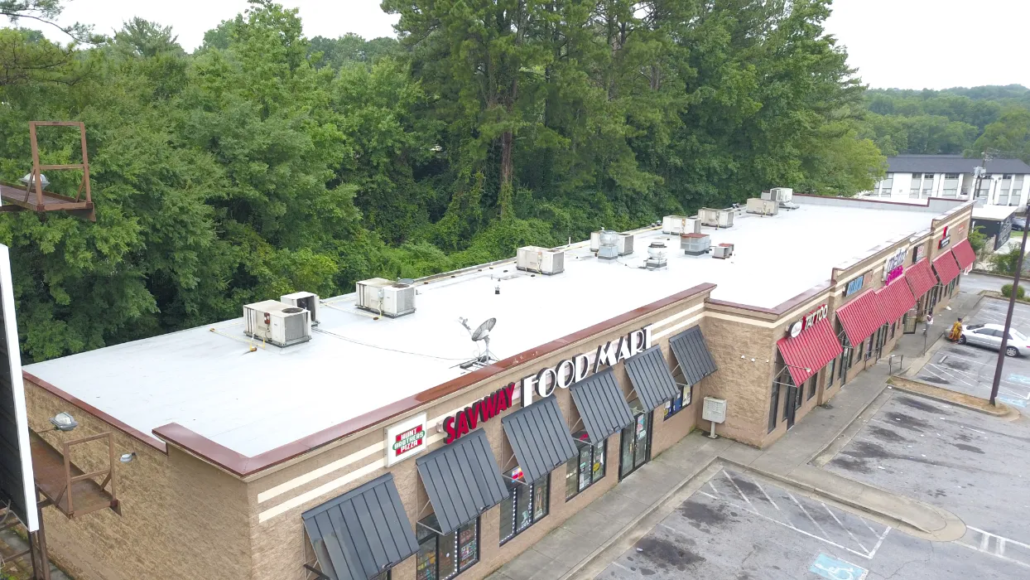
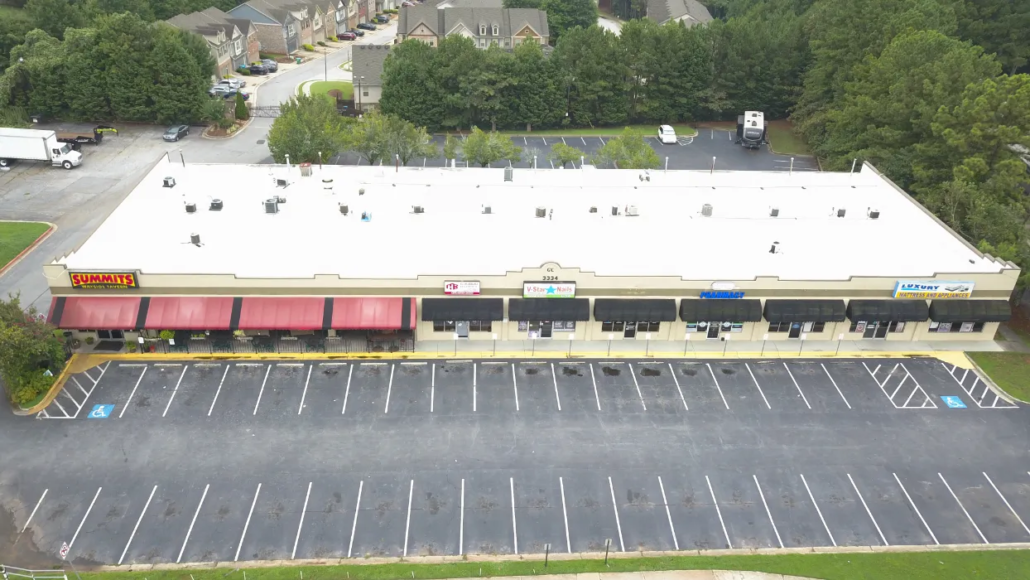
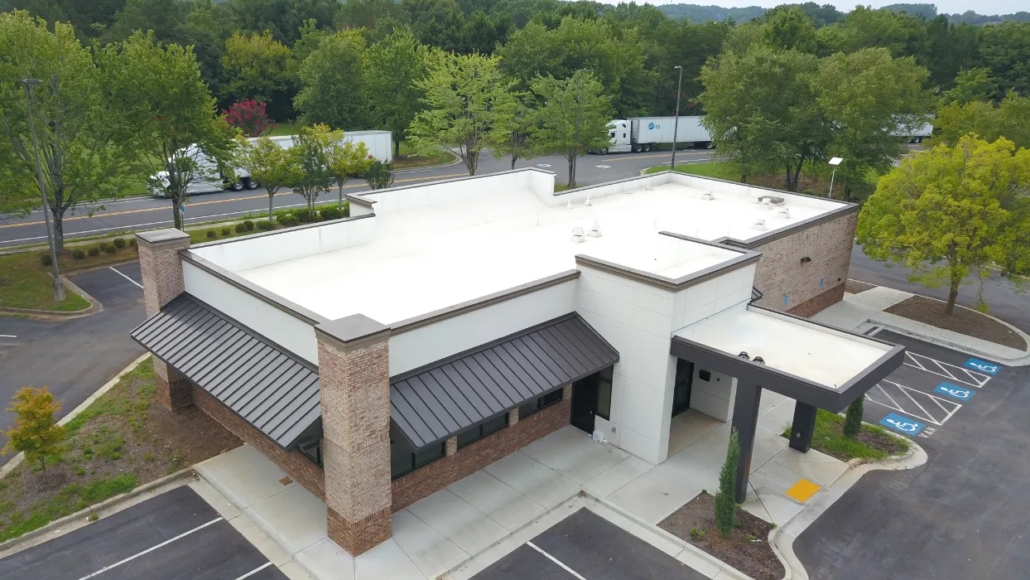
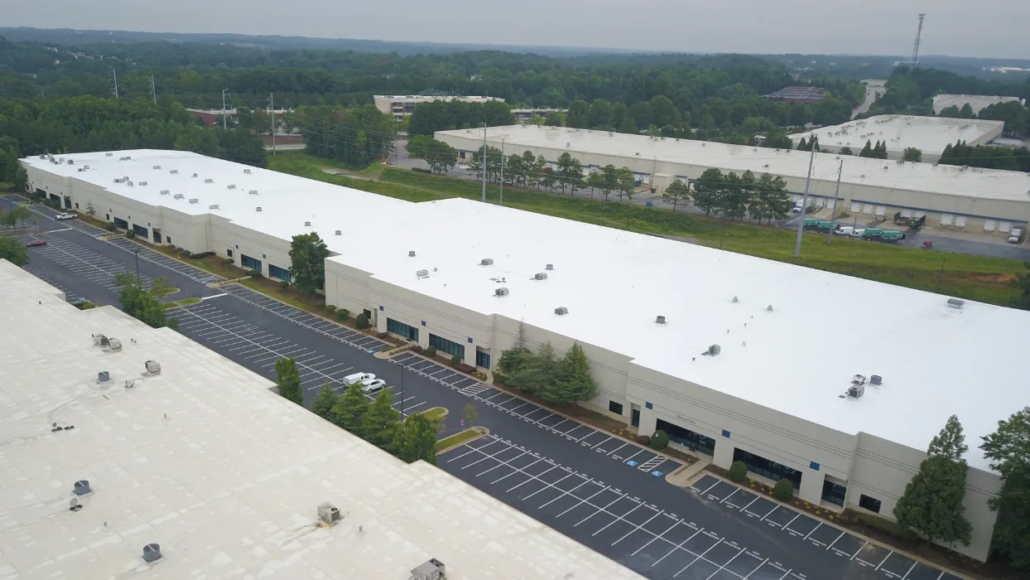
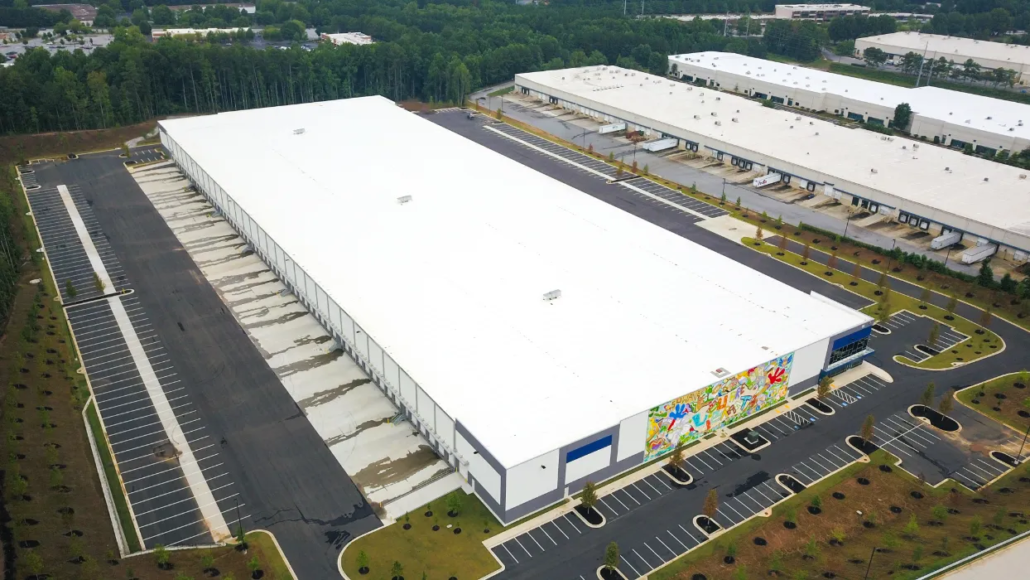
Critical Challenges
The Specific Needs of Commercial Roofing
Commercial facilities require proactive roofing strategies to protect tenants, operations, and investments. Common challenges include:
Leak Disruptions
Preventing leaks that disrupt tenants and operations, ensuring business continuity and occupant satisfaction.
Aging Systems
Managing aging roof systems and deferred maintenance before they cause expensive structural damage.
Budget Planning
Strategic planning for repairs vs. replacement, optimizing lifecycle costs and capital reserves.
Drainage & Waterproofing
Maintaining proper drainage and waterproofing to avoid ponding water and building envelope failure.
Occupied Coordination
Coordinating work around occupied buildings with minimal noise, safety, and access planning.
Our Approach
How The Roof Clinic Supports Commercial Properties
We focus on preventative maintenance, fast response times, and clear documentation so property owners can make informed decisions. Our commitment to transparency and technical excellence sets us apart.
- Preventative maintenance programs
- Leak detection and repair
- Roof condition assessments
- Emergency response services
- Warranty-compliant repairs
Comprehensive Solutions
Commercial Roofing Services
Roof Inspections
Detailed condition reports, moisture surveys, and life expectancy analysis.
Repairs & Restoration
Targeted leak repairs, coating systems, and restoration to maximize ROI.
Preventative Maintenance
Scheduled programs that prevent emergencies and extend service life.
Full Roof Replacements
Turnkey tear-off & re-roof with minimal tenant disruption.
Emergency Leak Response
Fast mobilization, temporary tarps, and permanent repairs.
Asset Management
Digital documentation, budget forecasting, and portfolio oversight.
📐 What's Included in a Professional Roof Inspection
Full visual survey of surface & penetrations
Moisture detection or core sampling as required
Drainage and ponding water assessment
Safety hazard identification & fall protection review
Condition grading with repair recommendations
Photo documentation & warranty compliance notes
Common Questions
FAQs for Commercial Roofing & Maintenance
Why is roof reliability critical for commercial properties? +
Leaks cause tenant disruption, liability risks, damage to interiors, and can violate lease agreements. A reliable roof preserves asset value and ensures tenant satisfaction.
Do you have experience with large-scale commercial facilities? +
Yes. The Roof Clinic has serviced retail centers, office complexes, medical offices, warehouses, and mixed-use high-rises — with self-performing crews and dedicated account management.
How do you minimize downtime during roofing projects? +
We implement phased planning, weekend/night shifts when needed, and maintain real-time communication with property managers to avoid business interruption.
Can The Roof Clinic manage safety requirements in occupied commercial environments? +
Absolutely. Every crew follows site-specific safety plans, OSHA regulations, and we provide liability coverage. Safety is our first commitment.
How does The Roof Clinic support long-term facility performance? +
Through our Roof Asset Management program: annual inspections, lifecycle forecasting, warranty compliance, and preventative maintenance calendars tailored to your budget.
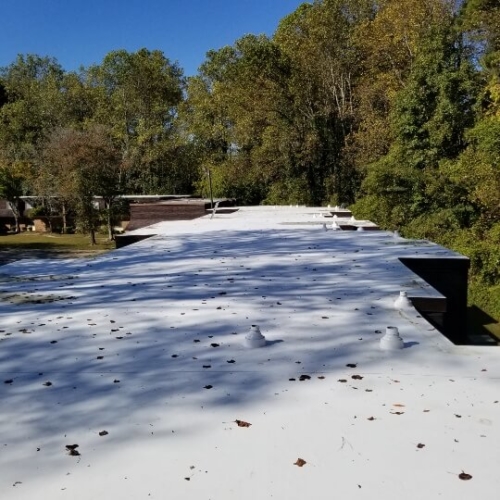
TPO
TPO ( Thermoplastic Polyolefin) is a blend of polypropylene & ethylene propylene polymers and usually are reinforced with polyester. TPO membranes can be less expensive than other roof replacement options and are seen as a lower cost solution when it’s time to replace a commercial roofing system.
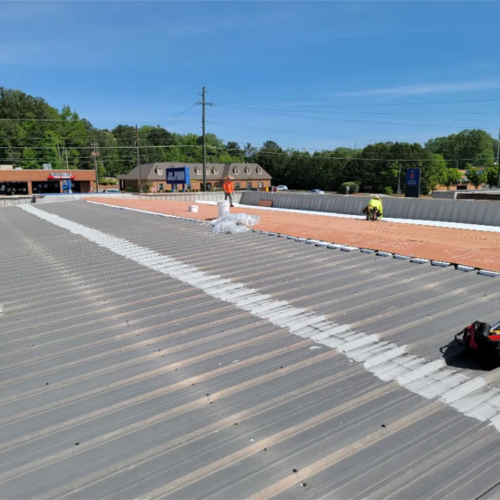
Retrofit
Retrofit roofing involves updating or improving an existing roofing system without the need for complete replacement. This approach is often used to extend the life of a roof, enhance energy efficiency, or meet new building codes.
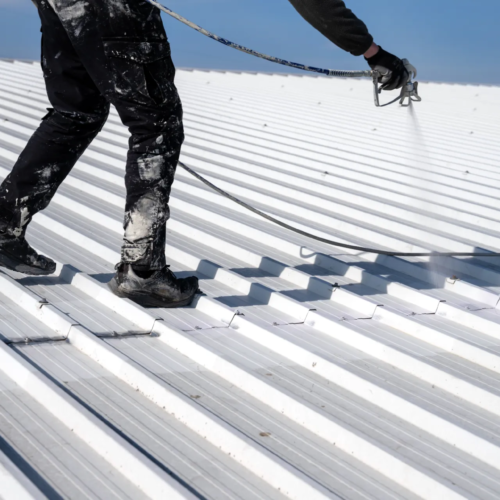
Coatings
There are numerous things you can do to prolong the life of a flat roof, and adding a coating is at the top of the list. When properly applied, a roof coating can save your building from leaks, reduce stress on your HVAC system, improve the look of your building and best of all, save you money.
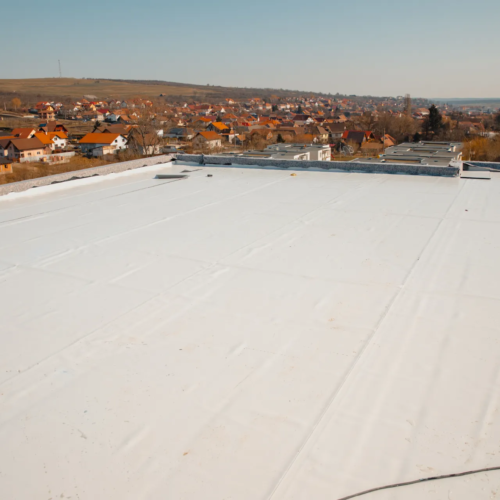
PVC
PVC (Polyvinyl Chloride) roofing is a highly durable, flexible, and energy-efficient single-ply membrane used primarily in low-slope roofing applications. Known for its excellent chemical resistance and long-lasting performance, PVC roofing is an ideal choice for commercial and industrial buildings.
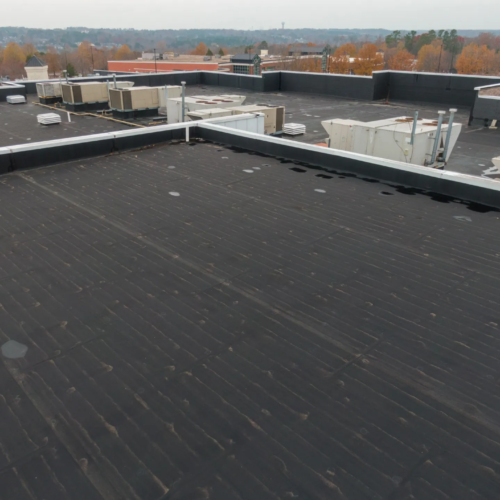
EPDM
EPDM (Ethylene Propylene Diene Monomer) roofing is a synthetic rubber membrane widely used in low-slope roofing applications. Known for its exceptional durability and weather resistance, EPDM can withstand extreme temperatures, UV radiation, and ozone exposure.
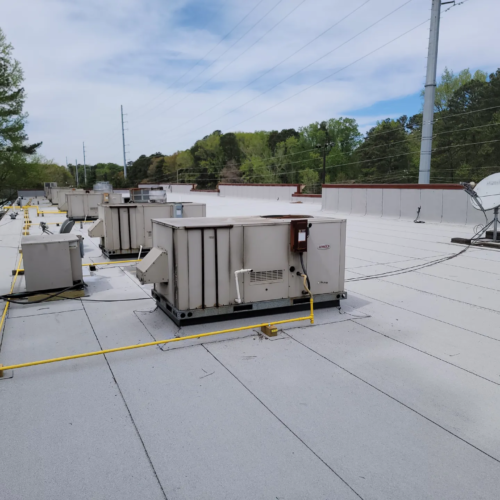
Mod-Bit
Modified Bitumen (Mod Bit) roofing is a durable and flexible option for low-slope or flat roofing applications. This roofing system is composed of asphalt combined with polymerized rubber or plastic, making it resistant to extreme weather conditions.
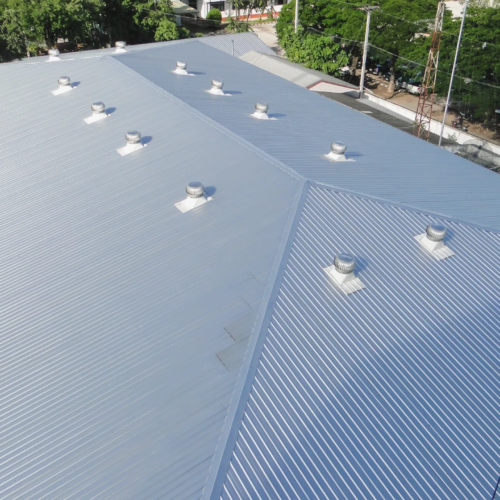
Metal
Metal roofing systems offer durable, long-lasting protection for residential and commercial buildings. Known for their resistance to harsh weather conditions, metal roofs provide a reliable and eco-friendly alternative to traditional roofing materials.
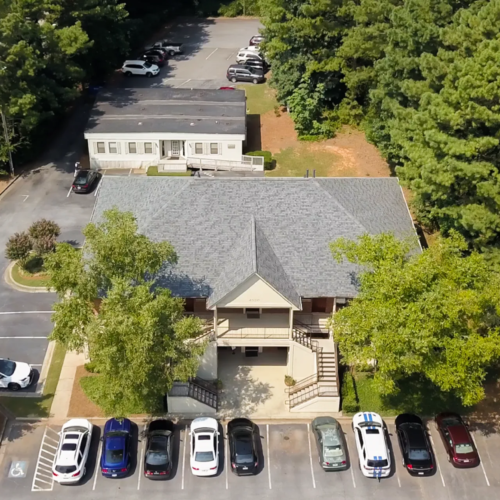
Steep Slope
Steep slope roofing is designed for roofs with a pitch greater than 3:12, commonly found in residential homes. These roofs not only provide an aesthetic appeal but also offer efficient water and snow runoff, reducing the risk of leaks.